Phone:973-278-1666
Email:sales@lfawire.com
Technical Data
Menu
  • Home
  • About
  • Wire
    • Beryllium Copper Wire
      • Heat Treatable, Alloy 25 (C17200 and C17300)
      • Tempered, Alloy 25 (C17200)
    • Nickel Wire
      • 80-20 Copper-Nickel C71000
      • COPPER-NICKEL-TIN C72500
      • Nickel 205 Grade A
    • Phosphor Bronze Wire
      • Phosphor Bronze, C51000 Grade A
      • Phosphor Bronze C52100 Grade C
      • Phosphor Bronze, C50700 Grade E
    • Brass Wire
      • 70-30 Brass, C26000
    • Copper Wire
      • Copper, Oxygen Free High Conductivity C10200
      • Copper, C11000, ETP
      • Zirconium Copper Wire
    • Copper Alloy Wire
      • C 18080 K-88 Alloy
      • C 18150 Copper Chromium Zirconium (ZCC)
  • Plating
  • Straight And Cut
  • Request Quote
  • Sales Terms
  • Blog
    • Beryllium Copper
  • Contact
  • Chinese Catalog
CLOSE
Home  >  Beryllium Copper Wire Blog  >  Plated Wire  >  Common Processes for Plating

Common Processes for Plating

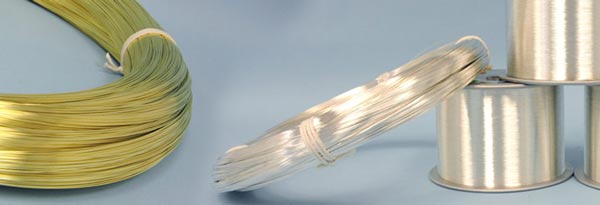
Plating is a widely used process for covering the surface of one material/workpiece with a different metal. Wire and part producers use plating because it provides several valuable benefits that include:

  • Changing conductibility
  • Inhibiting corrosion
  • Improving wear
  • Reducing friction
  • Increasing heat resistance
  • Hardening materials
  • Boosting solderability
Plated Wire

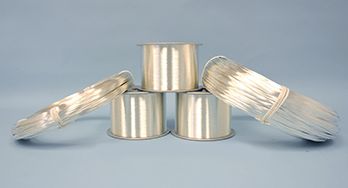
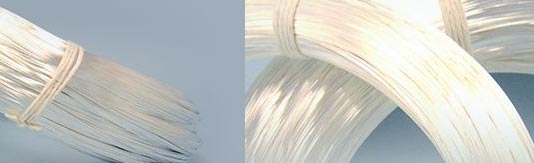
Plating changes the qualities and characteristics of materials to engineer and manufacturing specifications.

Electroplating is one of the most used methods of plating materials.  The process requires an electrical current that dissolves all positively charge metal particles in a chemical solution. Positively charged ions become attracted to the material it will be plating (the negatively charged side of the circuit). Wire producers run reel to reel plating operations while parts to be plated are put in the solution and then dissolved metal particles become drawn to the surface of the material.

Electroless plating is called as such because the method uses no external electric power. Electroless plating uses a series of chemical reactions that induce a reduction of metal atoms. In other words, a solution of metal ions is mixed with a reducing agent that gets converted into a metal solid (when encountering a catalyzing metal).

Immersion plating requires the immersion of one metal into a different solution of metal ions (from noble metals). A nobler metal is considered chemically inert (silver, gold, and platinum).

Plated Wire

For more information on plating options and how it can benefit your business, you should not hesitate to give us a call.

Related Reading

  • Straight and Cut Wire
    Common Surface Treatments for Metal Alloys
  • Plated Wire
    Electroplating Tips for Engineers and Manufactures
  • Beryllium Copper
    Four Common Types of Heat Treatments for Metal
  • Beryllium copper wire
    Plating Material Options
  • Beryllium Copper
    Engineers Need to Know about Electroplating and…
  • Beryllium Copper
    What Should Every Engineer Know About Electroplating
  • Copyright © Little Falls Alloys
  • 171-191 Caldwell Avenue
    Paterson NJ 07501
  • Tel: (973) 278-1666
    Fax: (973) 278-7345
  • Email:sales@lfawire.com
Beryllium Copper Wire | Phosphor Bronze Wire | Nickel Wire | Brass Wire | Copper Wire | Zirconium Copper Wire | Zirconium Chromium Wire | Site Map | Wire Blog
Little Falls Alloys, Inc. is committed to offer top quality straighten and cut wire, plated wire and beryllium copper, Contact Us.